Research
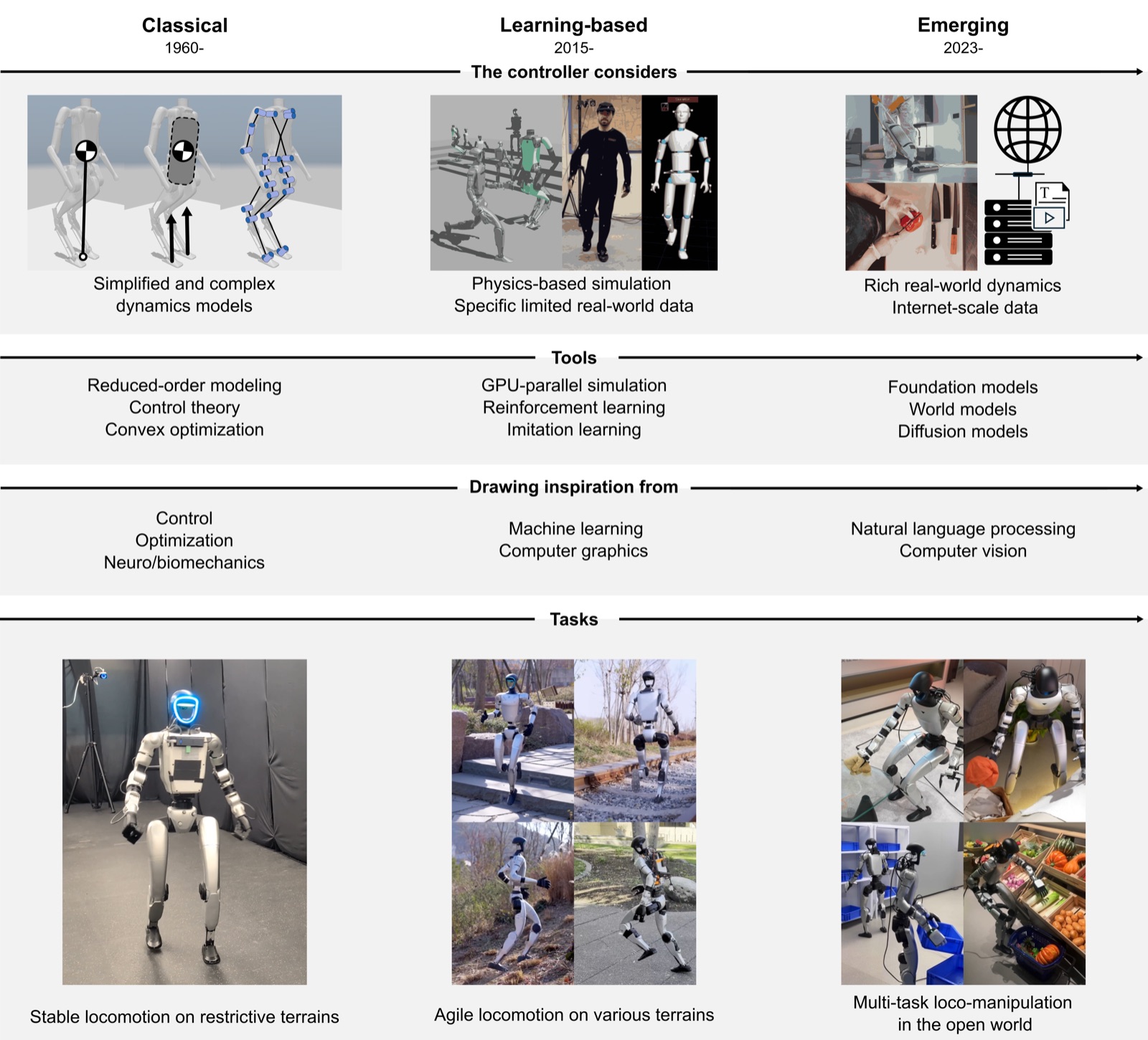
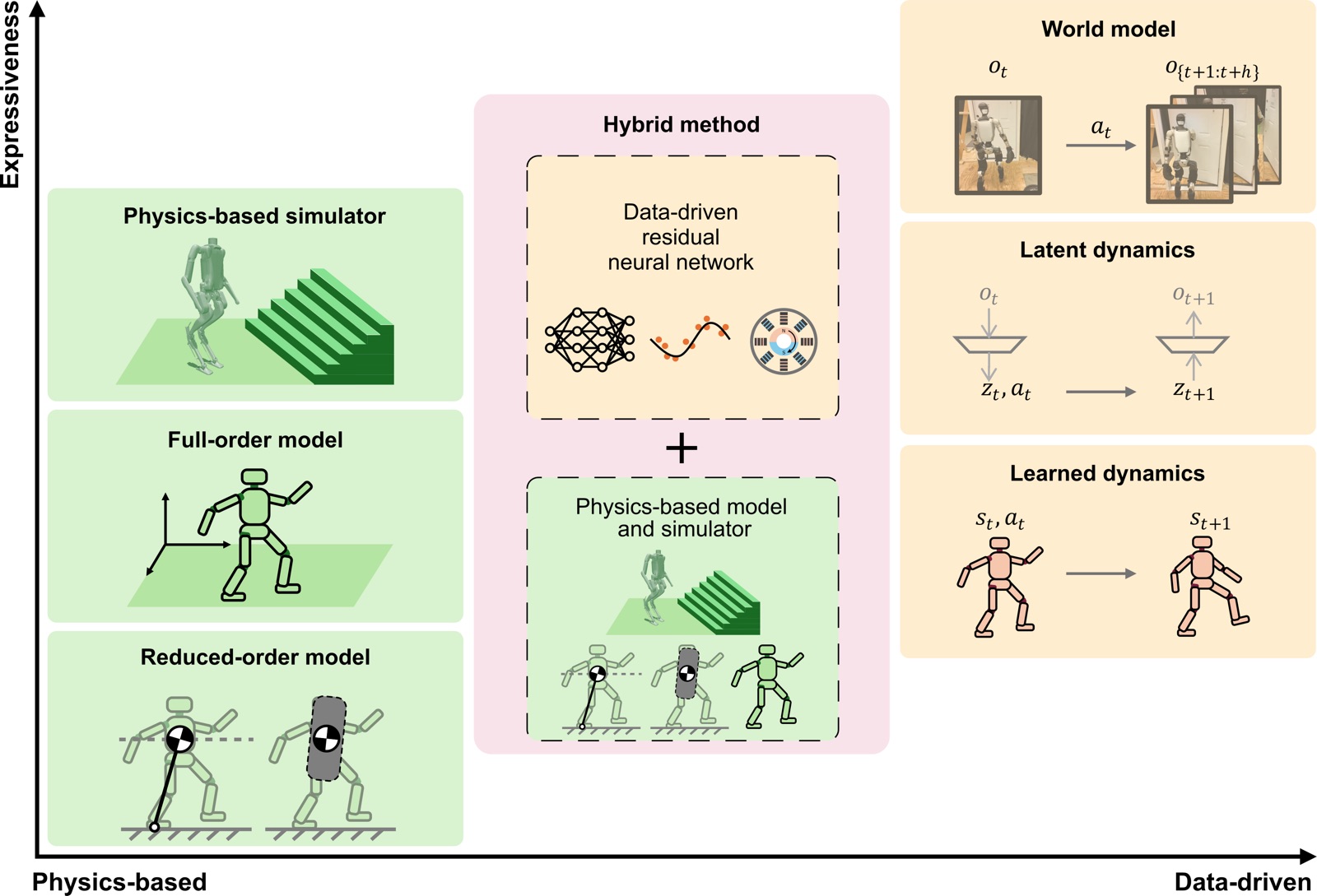
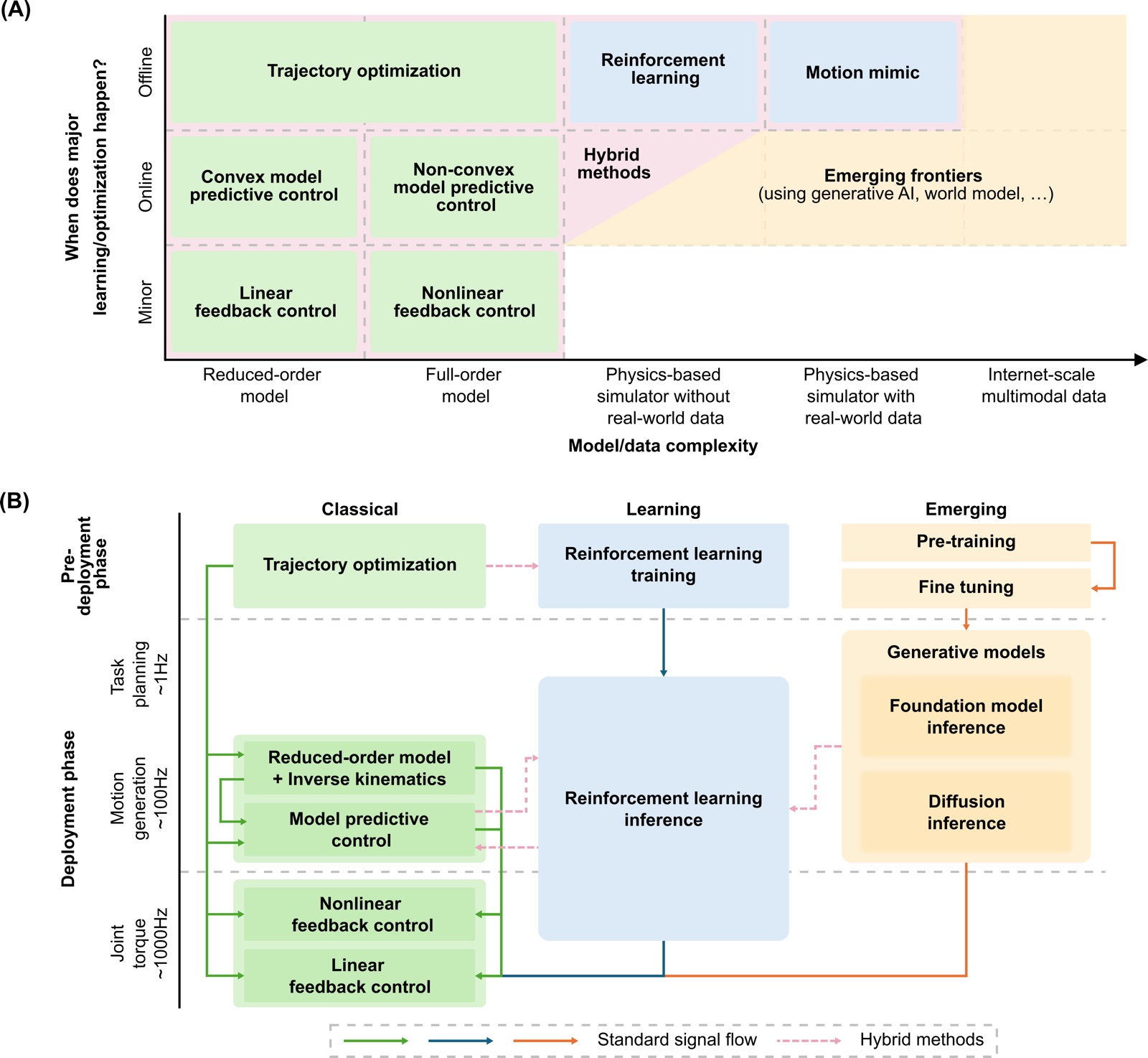
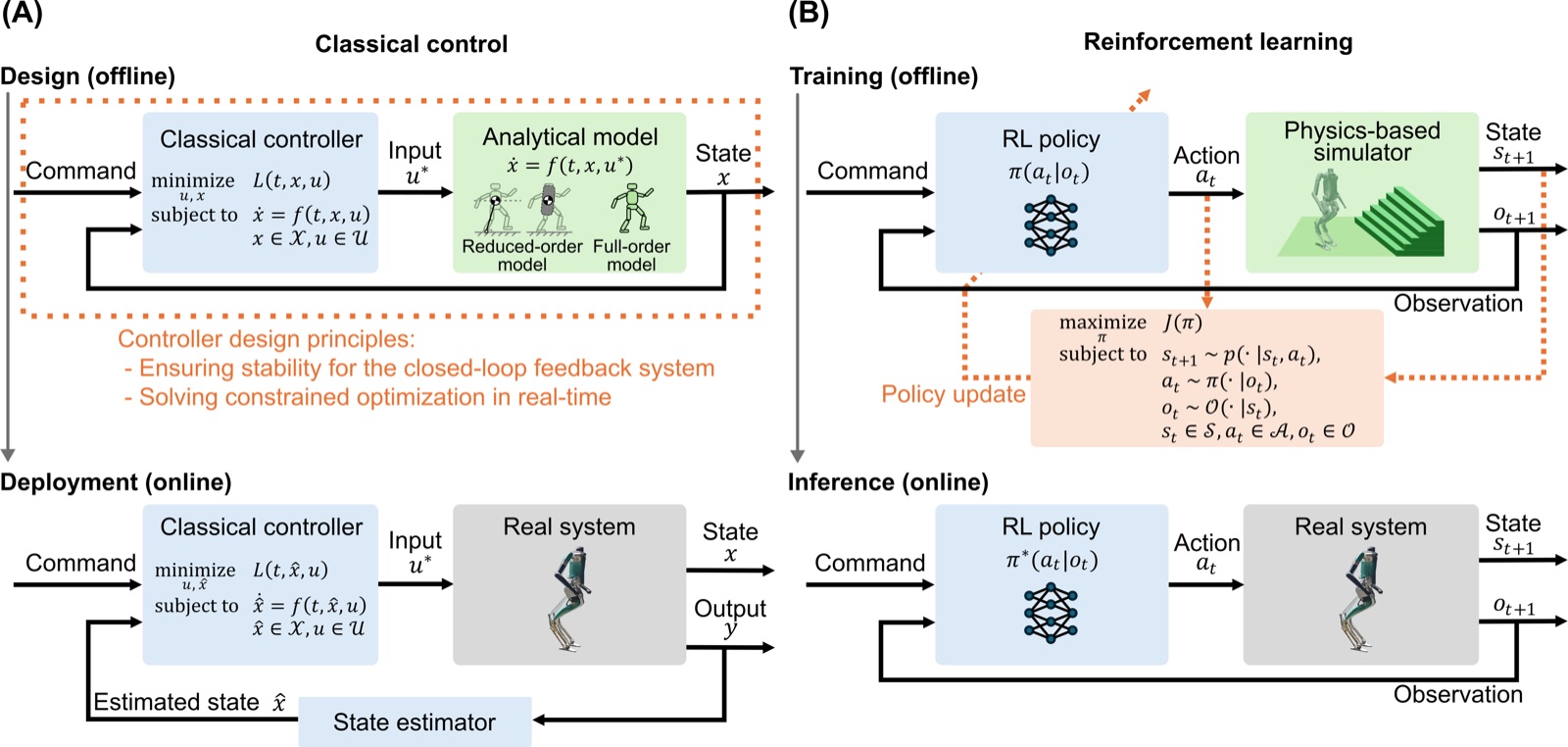
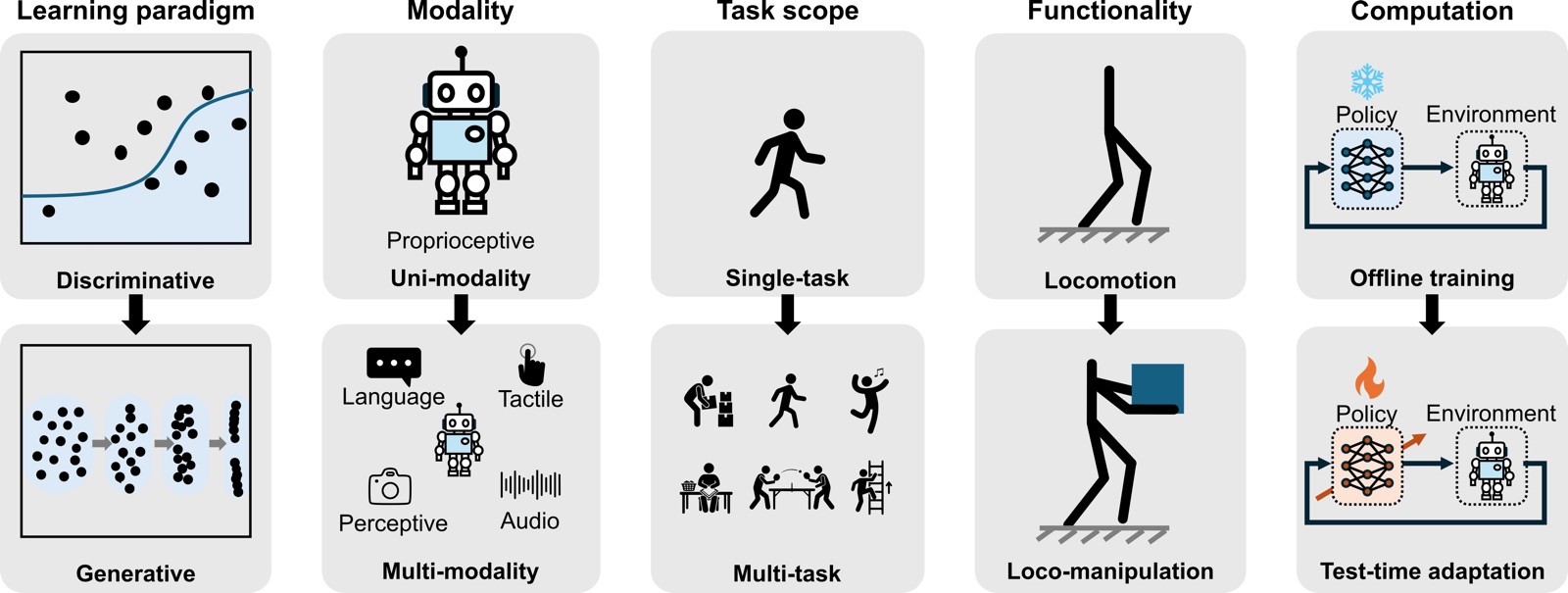
A Science Robotics review tracing humanoid locomotion control through three eras — classical model-based control, learning-based control, and emerging foundation- and world-model approaches — and what each assumes about models, data, and the tasks a humanoid is expected to do.
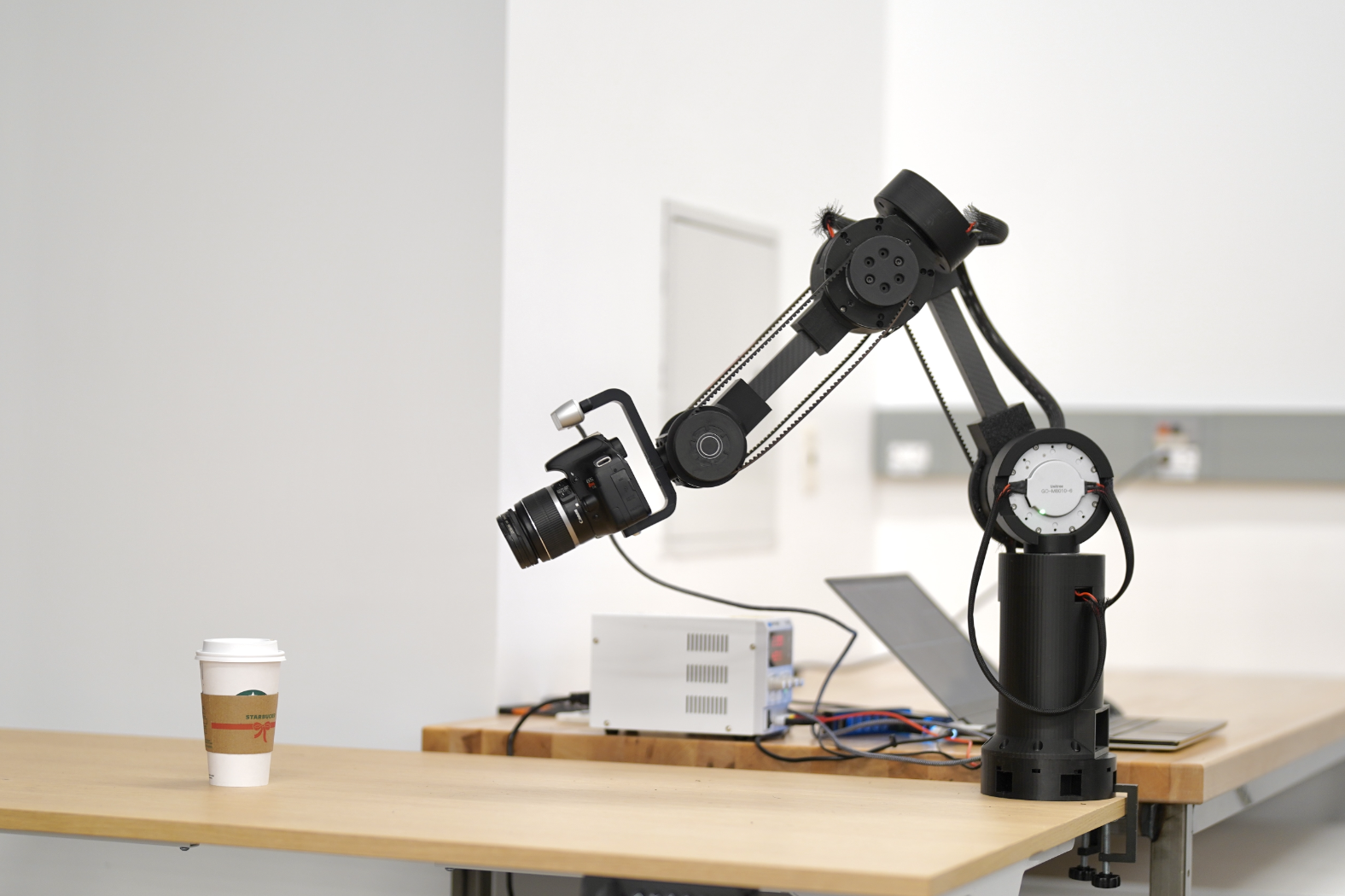
IRIS is a low-cost 3D-printed 6-DOF cinema robot that uses goal-conditioned transformer-based imitation learning to autonomously generate smooth, object-aware camera motion.
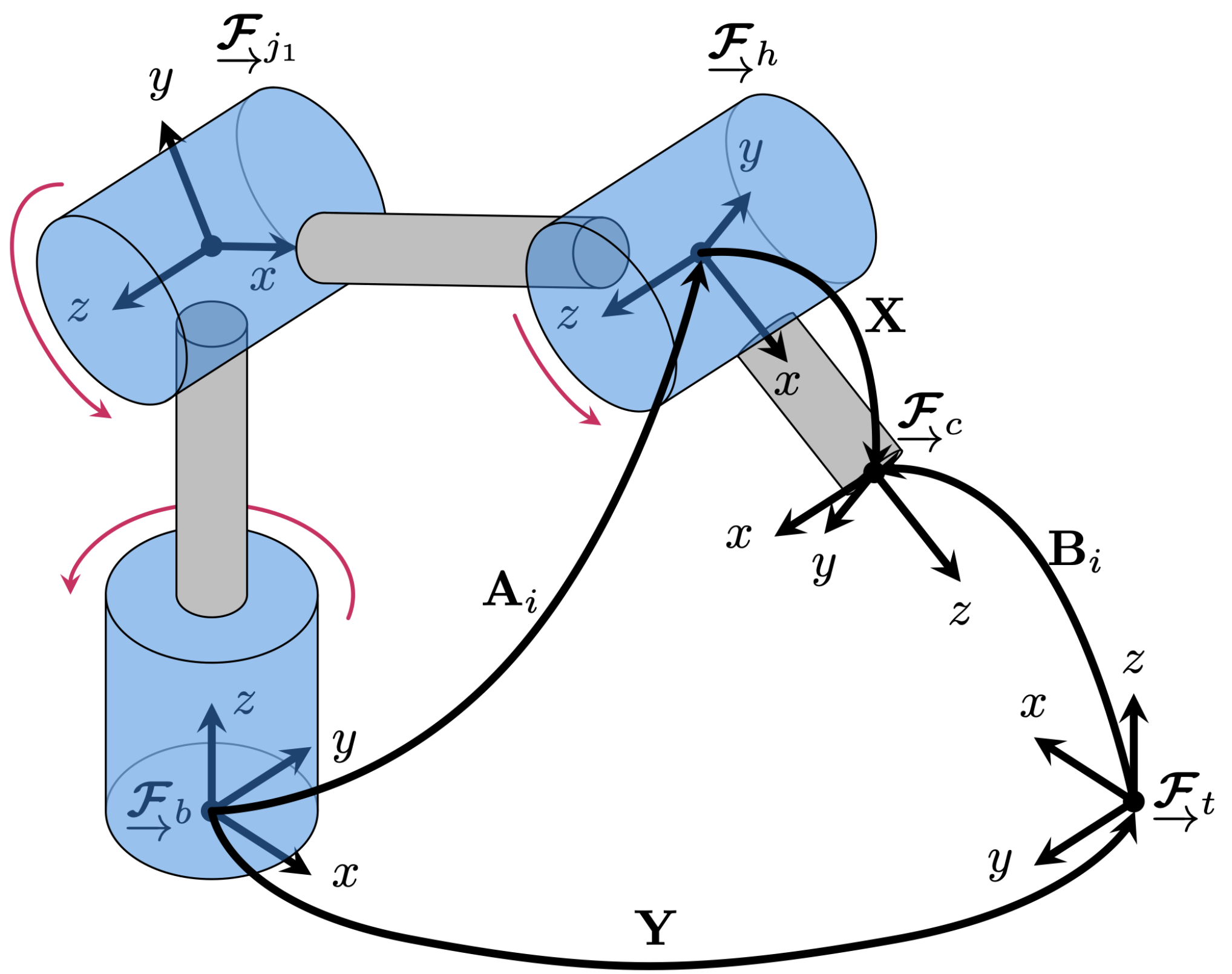
Certifiably correct calibration achieving globally optimal robot-world and hand-eye alignment under general conditions.

Low-cost, fully 3D-printed 6-DoF cinema robot arm (IRIS) with FOC actuators, differential wrist, and a vision-conditioned imitation-learning stack in ROS.
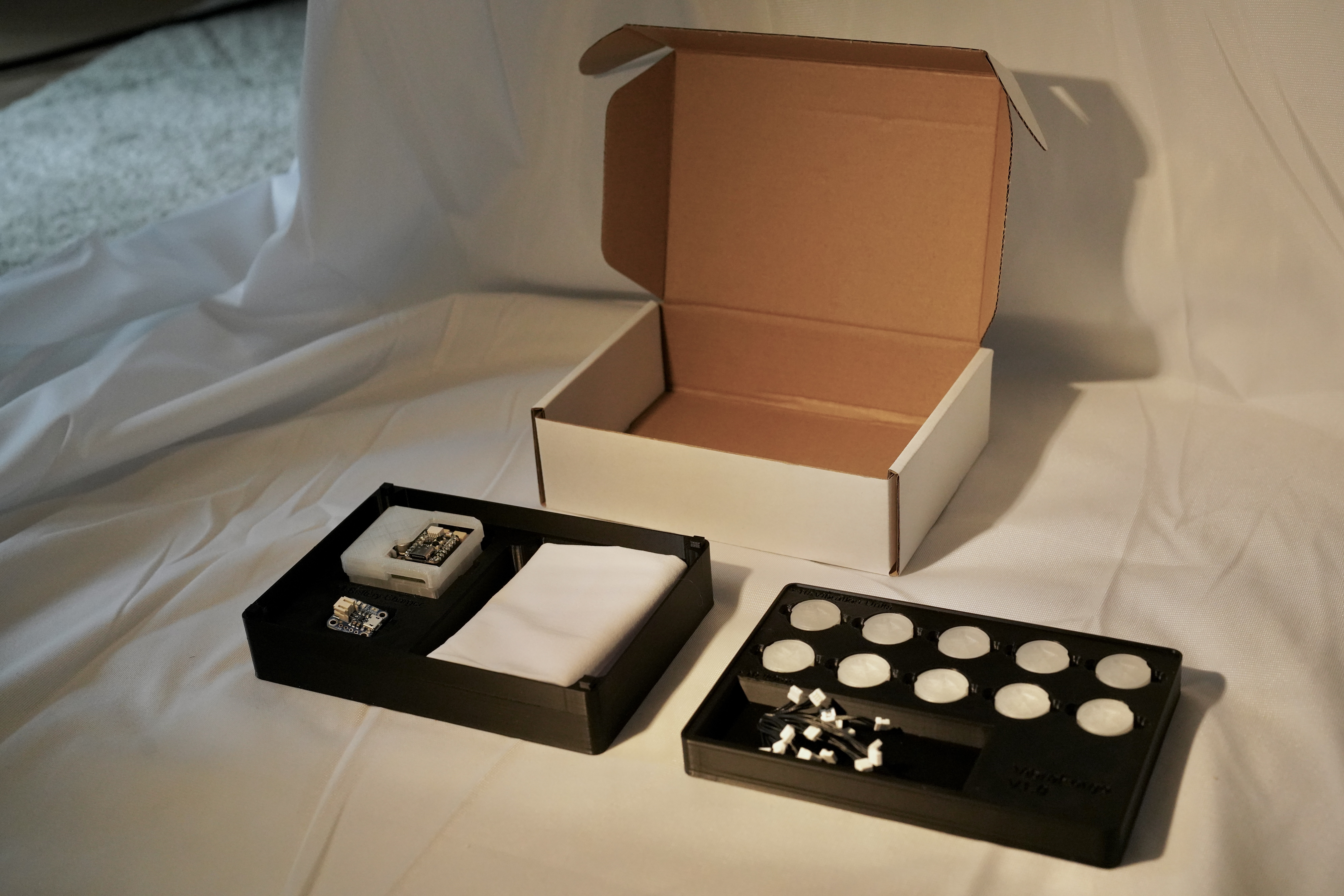
An open-source toolkit enabling rapid design and deployment of large-scale vibrotactile feedback systems for spatialized haptic interactions.
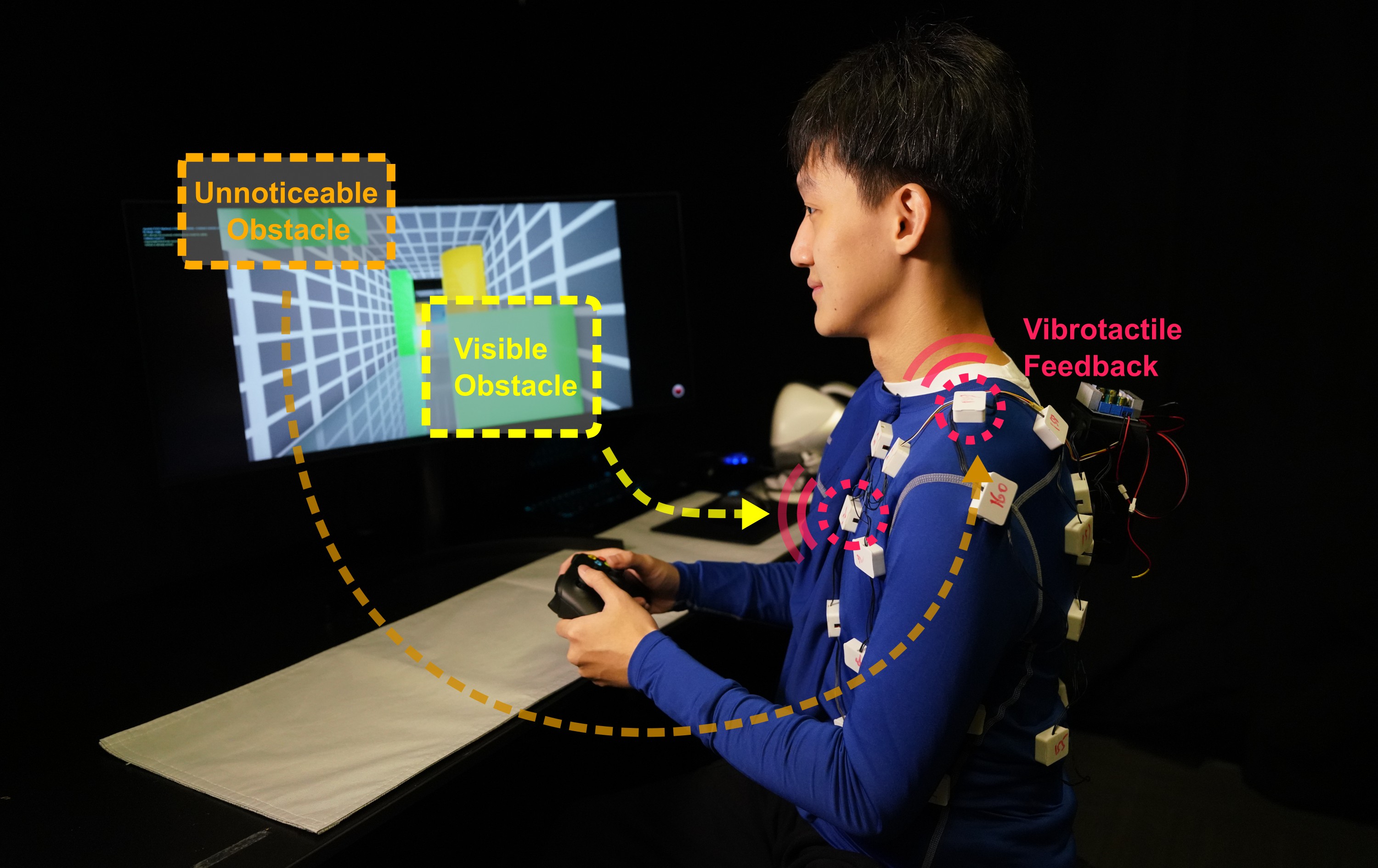
Introduces a wearable vibrotactile system integrated with UAV teleoperation, leveraging control barrier functions for safe human-drone interaction.
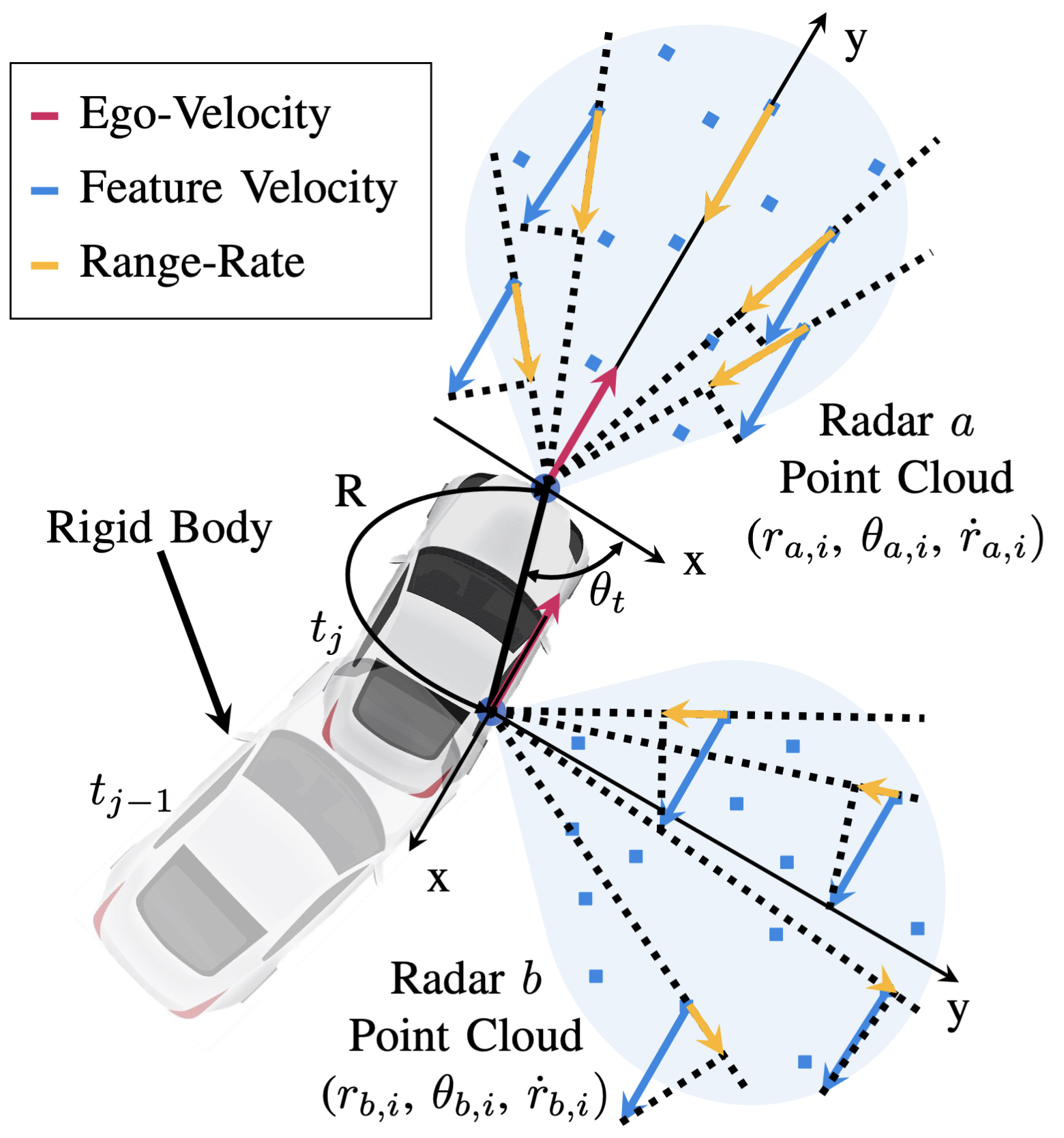
Proposes a calibration framework for radar-radar pairs leveraging ego-motion cues without overlapping views for improved pose estimation accuracy.
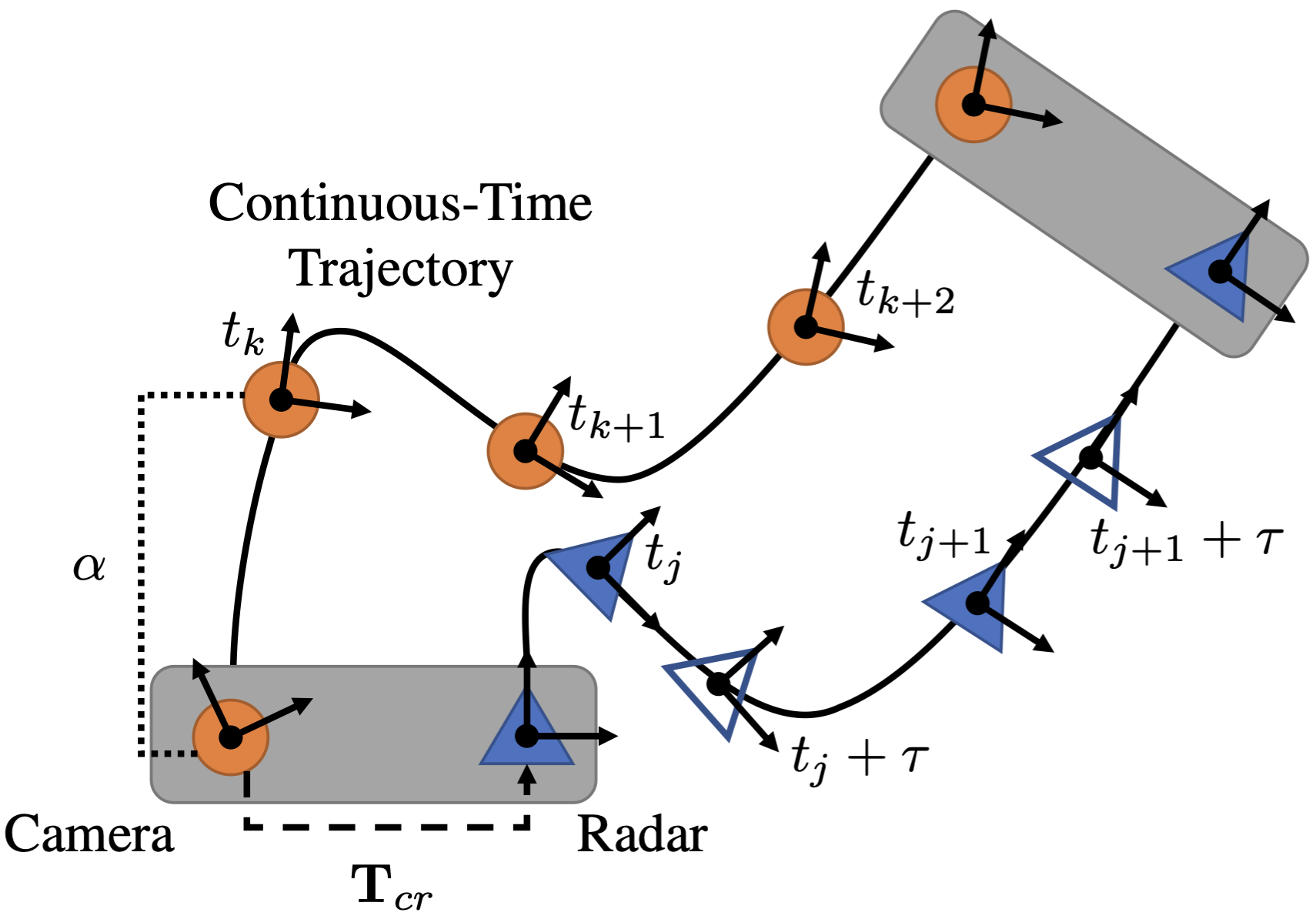
Introduces continuous-time B-spline calibration for radar-camera systems, outperforming state-of-the-art methods in robustness and precision.
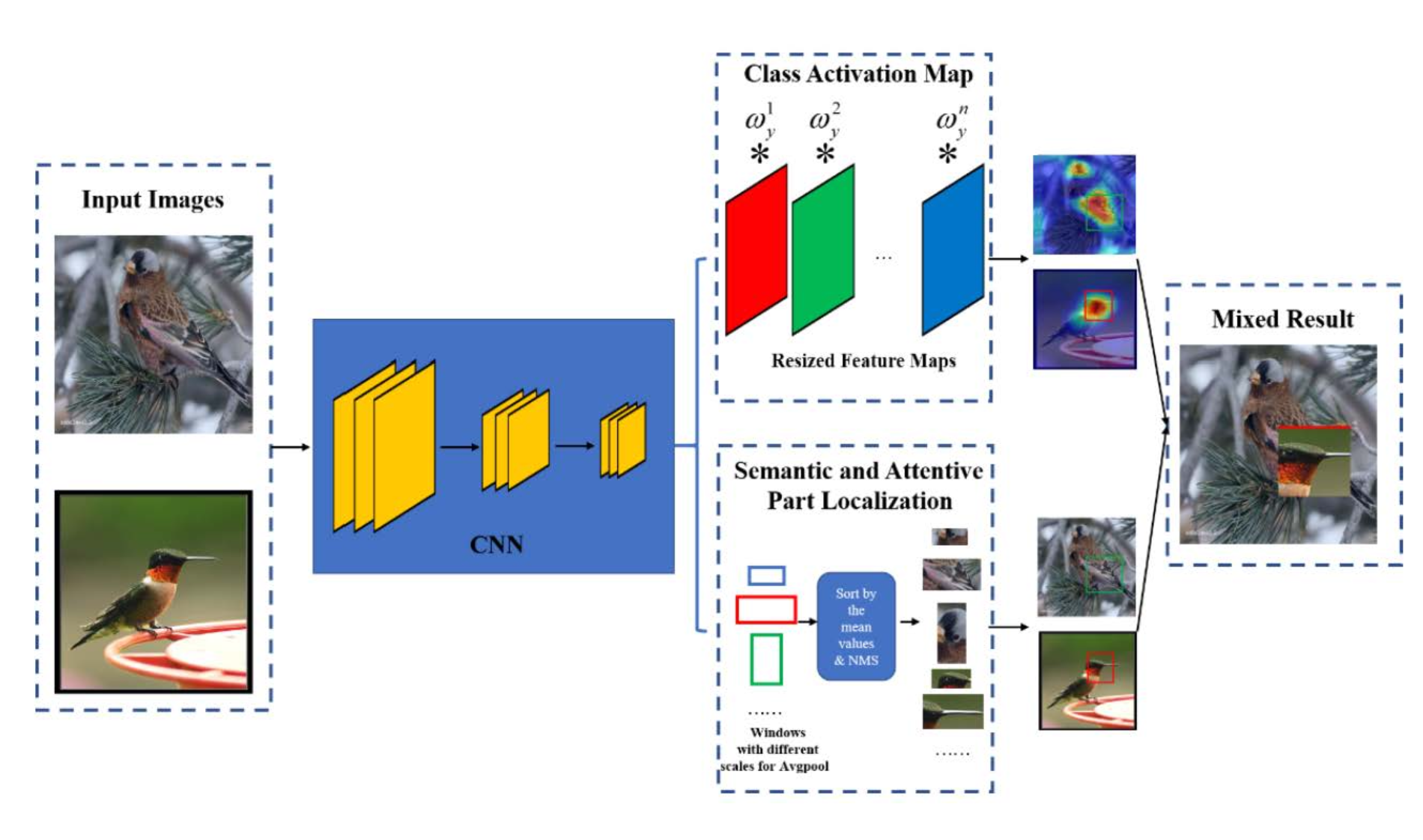
Proposes a weakly supervised attention-guided data augmentation strategy for fine-grained image classification tasks.
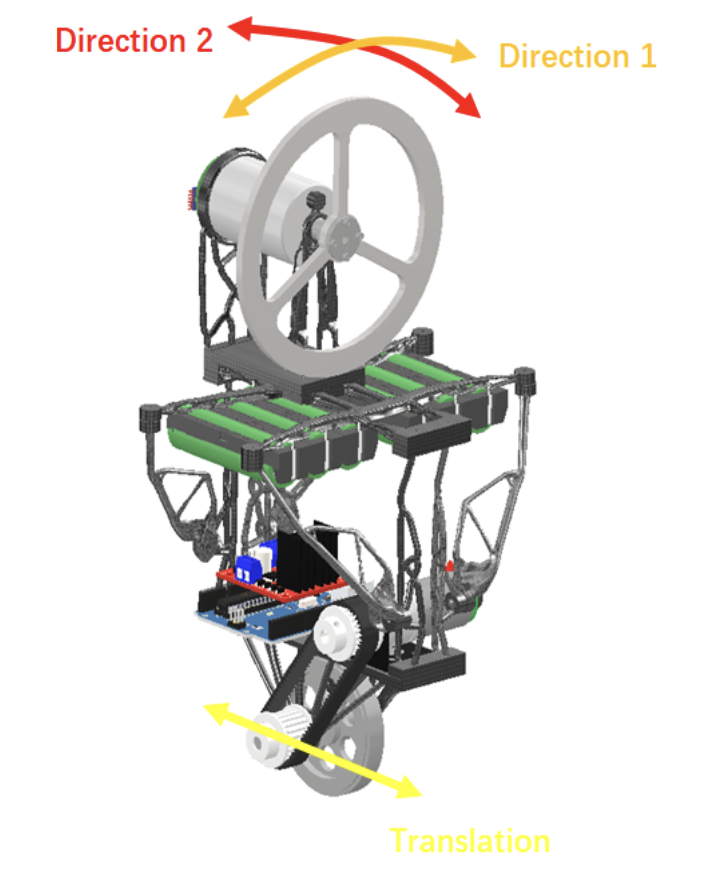
Applies generative design and additive manufacturing techniques to develop a self-balancing unicycle robot prototype.